
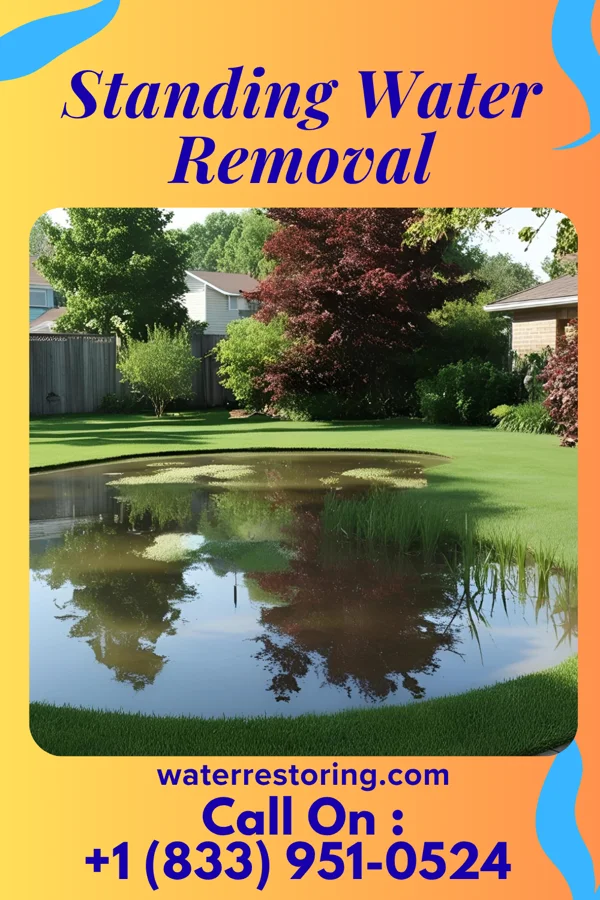
Standing Water & Insurance in Hunterstown
In Hunterstown, Pennsylvania, the primary water damage cause is often due to agricultural runoff and seasonal flooding from nearby streams and rivers, particularly after heavy rainfall events. Additionally, aging infrastructure and drainage systems in rural areas can lead to water accumulation in basements and low-lying properties. is the trigger behind most standing water removal claims in Hunterstown. A close second is Secondary causes include seepage from underground springs, malfunctioning sump pumps, and water intrusion from nearby farms or livestock operations. These factors are common in the rural setting of Hunterstown, where land use patterns and natural topography contribute to localized water issues.. Most homeowner insurance policies cover sudden, accidental water damage. What separates a clean claim from a stuck one is fast professional response with documentation an adjuster can actually use.
Hunterstown experiences a humid continental climate with significant precipitation in the spring and fall, increasing the risk of water damage. The region's proximity to Table Rock and other water sources makes it particularly vulnerable to flash flooding and prolonged moisture exposure.
Most standing water removal calls in Hunterstown come from In Hunterstown, Pennsylvania, the primary water damage cause is often due to agricultural runoff and seasonal flooding from nearby streams and rivers, particularly after heavy rainfall events. Additionally, aging infrastructure and drainage systems in rural areas can lead to water accumulation in basements and low-lying properties.. Running a close second is Secondary causes include seepage from underground springs, malfunctioning sump pumps, and water intrusion from nearby farms or livestock operations. These factors are common in the rural setting of Hunterstown, where land use patterns and natural topography contribute to localized water issues.. Local mold risk: Due to the high humidity and frequent rainfall in Hunterstown, mold can develop within 48 hours of water exposure. Prompt action is critical to prevent long-term structural and health issues in homes and buildings.
For public guidance on the health effects of mold after prolonged water exposure, see the EPA mold and health page.